I chose two articles about different topics related to food with similar layouts that I believe reinforce one another. The first article I read was “How to feed the world without destroying the planet” by Stephen Leahy from National Geographic (https://www.nationalgeographic.com/environment/2019/07/how-to-feed-the-world-without-destroying-the-planet/). This article discussed the drastic changes farmers are needing to make in order to keep up with the booming population while also improving people’s diets and preserving the land we live on. It follows a bulleted/listed format like the second article I read, “I am a US cattle rancher. What do you want to know?” by Amelia Kent for The Guardian (https://www.theguardian.com/commentisfree/2013/jul/15/cattle-ranch-job-daily-life). The second article I read discussed the everyday life, struggles, and experiences of ranching while referencing the circumstances of the food industry.
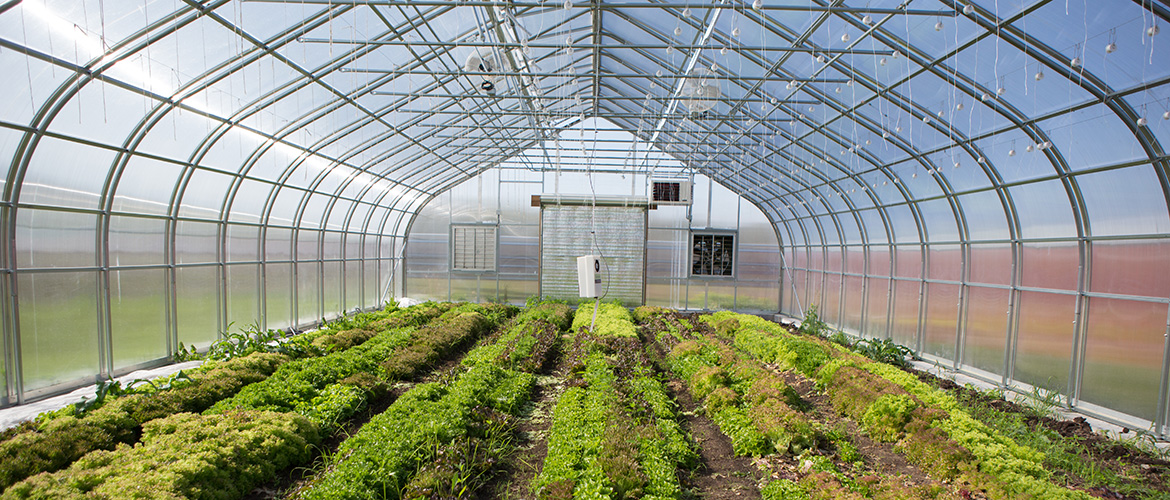
Both of these articles brought awareness to how much consumers affect the food industry and, not only, the wage of farmers and ranchers, but also the well being of the earth and the people that tend it. While the first article focused on the environmental side of farming, ranching, and the overall food industry, the second provides the perspective of a hardworking rancher. I believe these balance each other very well and provide a wholistic perspective of food production and consumption. I saw this most in the first article when Leahy quoted Danielle Nierenberg saying, “Many of these [ concrete messages and useful ideas] are things we can do now to move to sustainable food production and things that will create more jobs and economic growth.” and in the second article when Kent writes, “[Ranchers] don’t have an annual salary given that our farm income is entirely derived from the commodity market.”
 Maria's Mind