Throughout this class my ideas have developed from simple statements about my heritage and relationship with food into research projects and deep dives into topics I wanted to learn more about including food production, modern farming techniques, sound and taste, the development of infant’s palates, and more. The blog format, along with various challenging prompts, allowed me to venture beyond my simple ideas and delve into my relationship with food in different ways with each post. I made significant changes throughout the class to a few of my posts including my Recipe As a Narrative Artifact, PSA, and Critical Summaries Portfolio reflections. After receiving critiques in comments and grading to lengthen some of my reflections, I revised them and went more in depth. I have learned a lot about the world’s relationship with food, which has helped me better understand my own. And, this class also helped me realize how genuinely interested I am in food studies and has encouraged me learn more about opportunities surrounding it. I now see agricultural journalism as a very viable career option for me.
Source 1: “Growing Up: How Vertical Farming Works” by The B1M
In The B1M’s informational video “Growing Up: How Vertical Farming Works”, the benefits and challenges of the technique of vertical farming are discussed. One of the greatest challenges for modern farmers and food producers is being able to provide enough food for everyone in a sustainable, efficient, and cost-effective way. This video displays vertical farming as the future of food production through a variety of statistics, facts, and opinions.
The need for food has increased while space to grow it has decreased. And, while many modern techniques enhance production rates, they create environmental challenges like habitat clearing and soil degradation which put the planet’s resources in danger. This, combined with changing climate disrupting seasonal weather patterns, have cleared the way for vertical farming to take over.
Vertical farms have condensed production spaces into much smaller factory-like sites in enclosed environments where factors such as lighting, temperature, soil conditions, and nutrients can be easily controlled. In these structures, food is produced in vertically stacked layers or vertical surfaces that allow for reduced water usage and optimal levels of nutrients. The video presents this technique as not only more efficient, but also more environmentally beneficial as many of these farms are powered by renewable technologies and recycle their resources. They also eliminate the need for harmful pesticides due to lack of birds and insects, which creates a better quality product. And, as stated in the video, “Some [of these farms] are even able to yield 50 to 100 times greater than a traditional crop farm.”
As discussed throughout the video, cost and availability can be challenging, but this technique can make food more accessible and less expensive, solving many of the issues we are faced with today.
Source 2: The Agricultural Sustainability Institute at UC Davis
This source is a college page describing the Agricultural Sustainability Institute at UC Davis and the work they do within the Sustainable Agriculture Research and Education Program. This page presents the goal of sustainable agriculture to be “meet[ing] society’s food and textile needs in the present without compromising the ability of future generations to meet their own needs”, which is bolstered by main objectives such as a healthy environment, economic profitability, and social and economic equality. These ideals reinforce my ideas that modern farming is about remaining profitable yet ethical in making decisions, while also pushing for a better earth for us and future generations. I wanted to include this source because it describes the education modern and future farmers are receiving. This page not only describes the overall education received, but also gives a list of specific topics in sustainable agriculture such as Addressing Food Insecurity, Controlled Environment Agriculture, Cover Crops, Dairy Waste Management, and more.
As you scroll past programs and topics, you reach a display that further delves into the Philosophy and Practices of Sustainable Agriculture. It provides information regarding historical context, various natural and farming resources, plant and animal production processes, and the economic, social, and political context of sustainable farming. Each of these topics discuss multiple strategies being taught to future farmers that will be implemented along with the importance of each.
This page not only presents the importance of sustainable farming and all of its components, but also the importance of the education of food producers. It explains the topics and strategies being taught to our food producers which will eventually be implemented and affect all of us, which I believe is very important
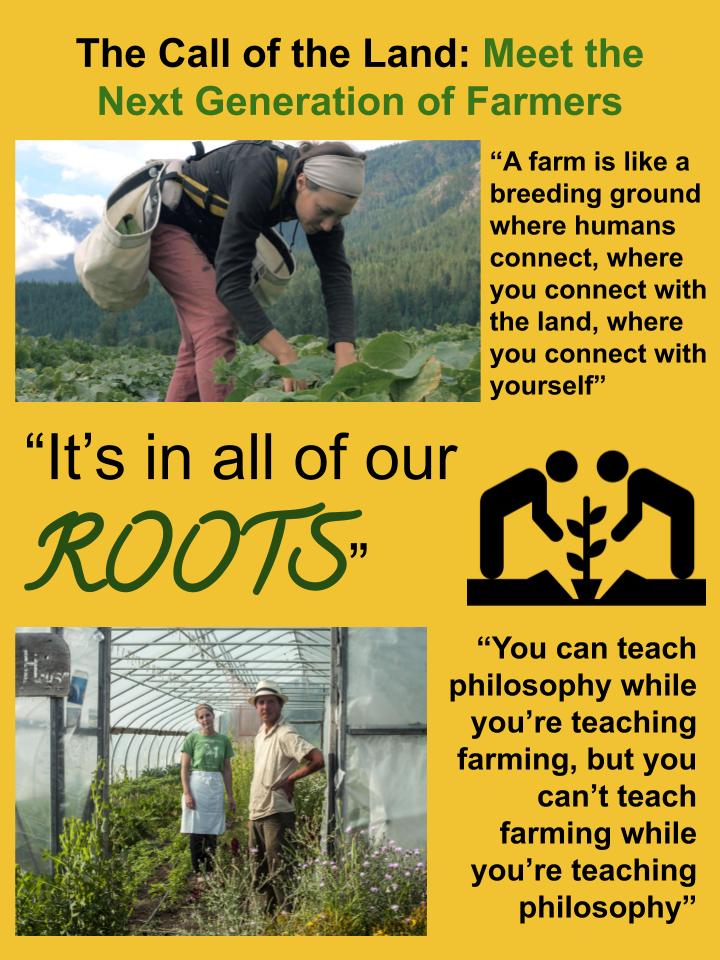
Source 3: The Call of the Land: Meet the Next Generation of Farmers
For this source, I created a collage to highlight its content
This project was a bit overwhelming for me. Once I completely wrote out my summaries and started to adjust to the main ideas it became easier to understand and complete the assignment. While I was daunted at first, I knew what topic I wanted to research and was excited to do so. In the beginning, I struggled with conveying my message, but once I found a fews sources I really liked it came together. I first found the National Geographic source documenting various modern farmers, but I was not sure if I wanted to use it. I then got the idea to research different techniques and affects of modern farming. This is when I discovered my source, which was an informational video, about vertical farming and decided to learn more about it. From here I also researched sustainable farming and came across a descriptive page of the sustainable agriculture program at UC Davis. This was a source I really wanted to use because it not only described various aspects of sustainable farming, but also the ways in which modern farmers are educated. This made me more eager to use my National Geographic source to wrap up the passion and work of modern farmers. In the end, I really enjoyed this project with the topic I chose. I believe that this format really let me dive into research about something I am extremely interested in and present it in a new way to my peers. I chose a variety of sources of different genres such as an informational video, a short documentary, and a college page. I believe that through these sources I was able to present my ideas in a more clear and understandable way.
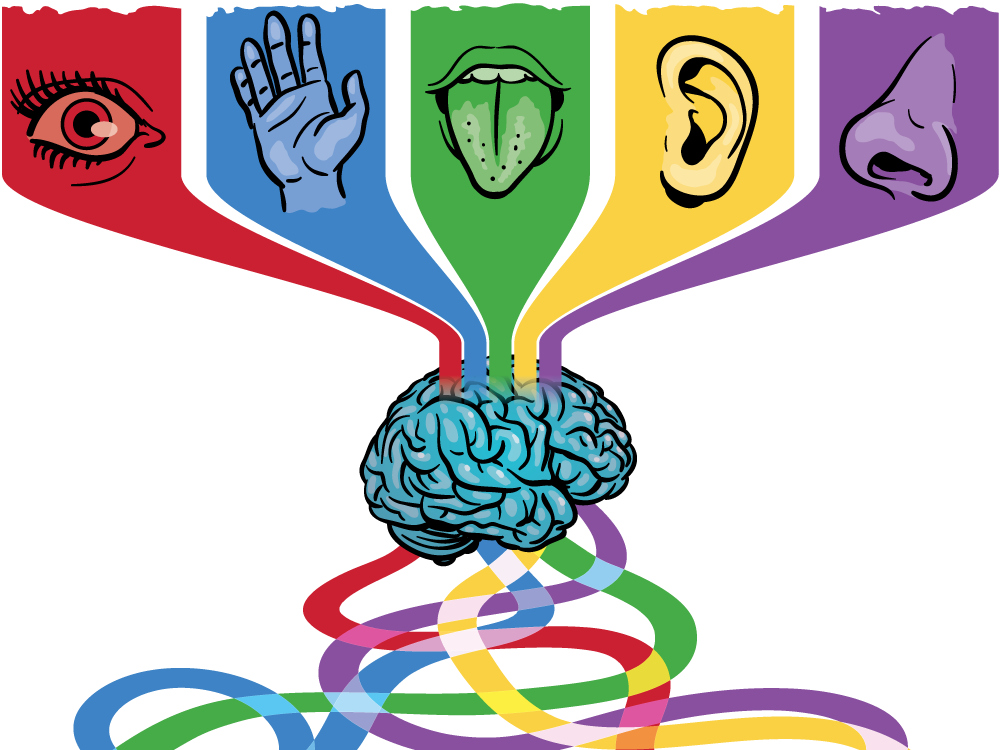
Loud volumes, especially in restaurants, might be suppressing how we perceive the saltiness and sweetness of foods
If you reduce the intensity of saltiness by 20-30 percent, that’s going to have a very significant impact on your enjoyment of food.
Relates to when you hear loud music while trying to listen to someone speak at a normal level, the music drowns out the person’s voice, like how it can drown out tastes
Under the right conditions, loud noise might actually enhance certain flavors
Background noise, like that you hear on an airplane, may boost the taste of umami
Auditory conditions in air travel may actually serve to enhance appetitive and sought-after taste qualities
There isn’t enough brain research to explain exactly why some flavors seem to be suppressed by surrounding noise while others might be heightened
Some studies suggest that it’s not the volume of sounds that seems to affect flavor, but rather the type of sound might play a role
Sound can be used to emphasize or draw people’s attention to certain flavors of a dish
“Our experience and our enjoyment of taste and flavors of food at home, in the air, and in a restaurant, is as much about everything else as it is about the ingredients and how they’re prepared.”
Through my PSA I was trying to communicate how under-gratified farmers and ranchers are. People have become completely unaware of how their meals come to be. I want people to be more grateful and aware of food production and agriculture because I believe it is a pivotal part of society. A lot of articles I read, especially one from the Washington Post (https://www.washingtonpost.com/news/wonk/wp/2018/05/02/why-farmers-only-get-7-8-cents-of-every-dollar-americans-spend-on-food/?noredirect=on&utm_term=.4a5d82a0606c), helped me flesh out my ideas. They also helped me formulate new ones by presenting facts such as how much of our everyday products are byproducts of food produced by farmers and ranchers. I really liked creating this project as a video PSA. I researched a topic I am very interested in and, through this, I was able to use media I created and combine it with informational components to present a creative video. I am a perfectionist when it comes to projects like this, so it was hard for me to stop tweaking it. But, I had a lot of fun playing with different techniques and media. This project helped me explore video work and editing which I really enjoyed. I think I did a pretty good job at presenting a convincing argument because I used surprising statistics and combined them with impactful visuals. I also related my PSA back to my life through a personal connection with farming, which I believe strengthened my argument.
Above I have posted a Dorito ads from the Super Bowl. In this brief commercial a couple is at the doctor’s office receiving an ultrasound. This sentimental moment is turned humorous as the father begins eating Doritos. He notices that as he moves the chip in his hand, the fetus moves to follow it. He finds this funny and begins moving the chip more excessively until the baby hits the mother. The mother then gets angry and throws the Dorito across the room, causing the baby to be born earlier as it follows the Dorito out of the womb. Throughout the video the iconic Doritos bag is shown to the camera and the crunches are intensified. With every bite you are made to want the chips more. The husband is enjoying his Doritos and the unborn fetus wants them too, so they must be good. While this ad is ridiculous, it shows the humorous approach that Doritos takes in advertising to appeal to a certain audience.
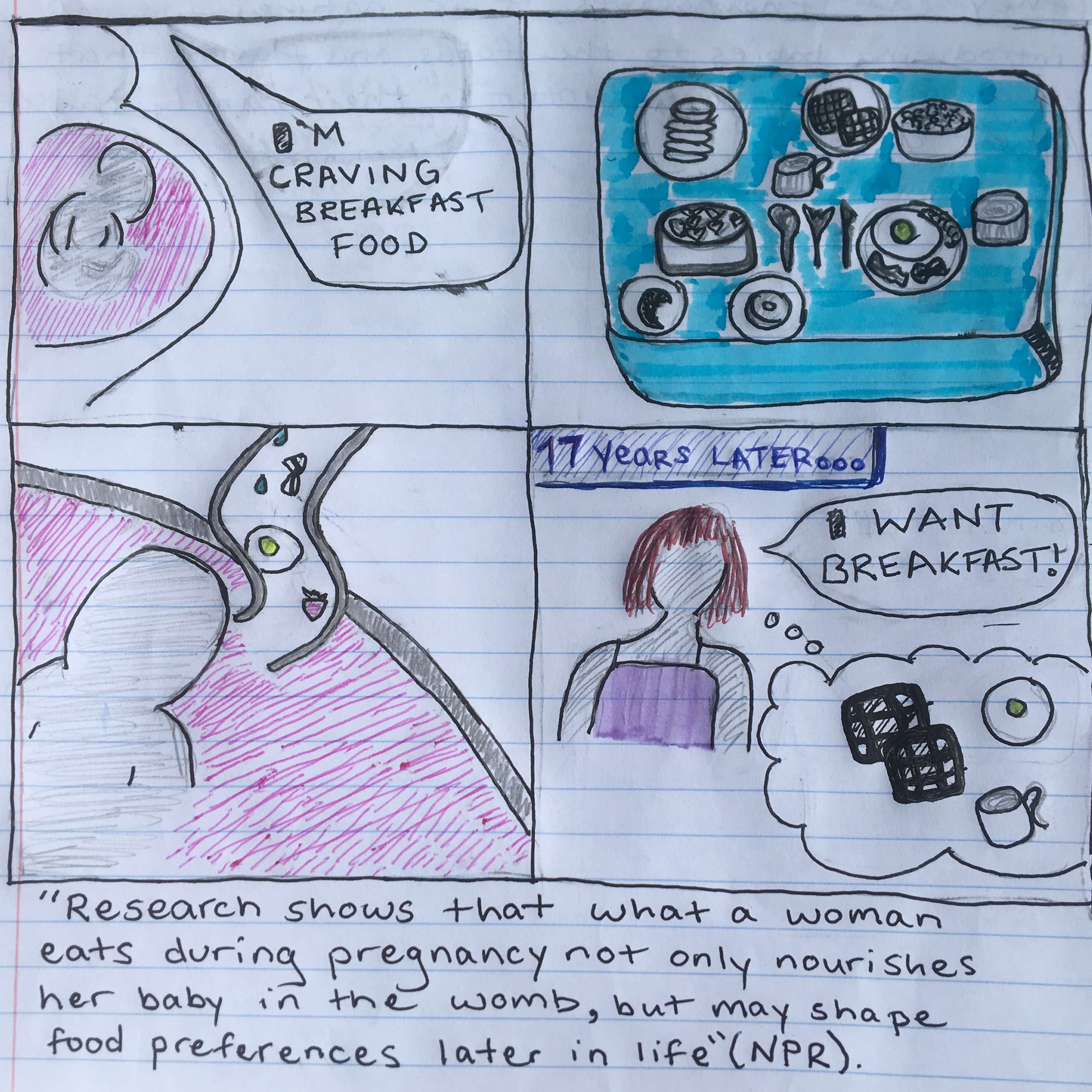
At this point in class, I see my most exciting ideas relating to multicultural foods and how identity and food affects relationships. I explored my relationship with food and heritage in my Recipe As A Narrative Artifact project and continued to expand through my freewrites and reflections. In this project I drifted more towards my personal relationships, specifically with my mother. I really love breakfast foods such as pancakes, waffles, cereal, coffee, pastries, etc., and she has always told me it is because when she was pregnant with me she always craved breakfast foods. I decided to read a few articles, including one from NPR (https://www.npr.org/2011/08/08/139033757/babys-palate-and-food-memories-shaped-before-birth), that discussed the development of a baby’s palate and how food memories are shaped before birth. Once I gained more knowledge about this topic, I decided to share my story through this comic. I really liked the graphic novel format in this situation because I feel like I was able to communicate my ideas more clearly through the use of visuals and words. Everything that I read about the development of a baby’s palate helped me to better understand characteristics I developed on my own versus ones I was taught.
The clip from Munchie‘s that I watched, “Action Bronson Made A Beer” displayed Bronson’s relationship with beer, food, and culture through his new recipe. The main argument that I saw appeared in the beginning with Bronson discussing how he does not normally like beer, and how people with different preferences can still collaborate and make successful products. Since Bronson does not usually like beer, he took flavors he knew he liked and combined them with the help of his neighbor to create the perfect beer for his palette. After expressing himself in the recipe, he threw a launch party featuring his favorite food and music to display his strong relationship with culture. This clip informs the audience that liking unique flavors and having different preferences is not a bad thing, but rather can spark great ideas for you and others to enjoy. This video argues that beer can be made in an unconventional way and still be enjoyed by many. Food and drink habits depend on the person and Bronson showed that in this video.
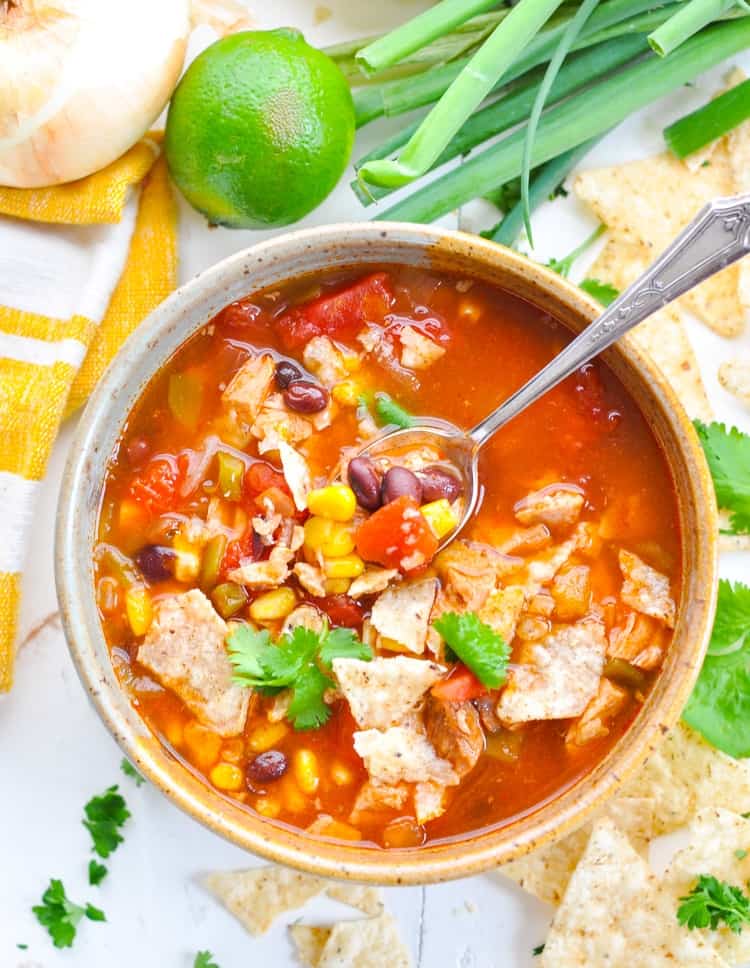
One of my favorite dishes that has been a part of my life for as long as I can remember is Chicken Tortilla Soup. A recipe my mom has used since my childhood that I will carry on into parenthood is listed below.
RECIPE:
Ingredients: roasted chicken, 1/2 chopped onion, one bag of frozen southwest veggies, 1/2 jar of red chunky salsa, 2 cartons of chicken broth
DIRECTIONS:
Cut roasted chicken into small pieces
Chop onions
Combine all ingredients and cook on stove at a medium temperature until done
Then, put into bowls and add toppings such as tortilla chips, cheese, cilantro, and avocado as you please for the perfect taste!
Although this recipe is not super complex, it leaves a lot of room for expression through toppings and overall presentation. I inherited this recipe from my mom and abuela, who have helped me immensely in developing my relationship with food. Because of them, I am more confident in sharing my heritage and being extremely proud of where I come from. This recipe is a major comfort food that I eat at least once a month and encourage others to try.
Through my recipe and narrative I was trying to tell a personal story to connect with the audience and invite them into my life to learn more about myself, my family, and my heritage. My narrative was acting as an introduction to my family and my personality through my connection with food. Since I am both Mexican and Irish, food plays a big role in family gatherings along with my everyday life. We eat large portions of mainly ethnic foods and exchange recipes frequently. Some of my ideas that I wanted to leave my audience with were that I spend a lot of time around my family and that food plays a big role in my connection with my family and the world around me, especially in understanding myself and my heritage. I included a picture of Chicken Tortilla Soup on my blog and in my presentation to help the audience visualize my narrative and feel a connection. Presentation is one of my favorite parts of this dish because you can customize it however you want and the picture I used helps to communicate that. I communicated my ideas mainly through my verbal storytelling with the aid of my visuals and recipes. Through this project I hope that my peers get to know me better while also being genuinely interested in me and the development of my relationship with food.
What I Eat displays a variety of diets from around the world. It not only shows physical difference in people, but also shows diversity in religion, income, health, preferences, etc. This book gives a glimpse of people’s identity through food, which has a pivotal role in society. These photos, along with their captions, give insight into their lives and made me reflect my own. The photos I looked at made me feel grateful for the abundance of food available to me along with my good health, but also made me feel more proud and open about my own identity and heritage. What I Eat shows a common thread among all humans, but presents a new perspective for each. Everyone around the world eats, but factors like customs and culture drastically change diets and appearances. From the cautious lifeguard, Bruce Hopkins, to the mother living with HIV/AIDS, Marble Moahi, I am like them.
This is my new blog! I have created this for a writing class focused on food and identity, so read along as I dive into different topics within this inquiry. Stay tuned for updates and new content!

 Maria's Mind